


September 19, 2026
4 minutes

4 minutes
Reading


Written by Chris Demaillet, Founder of Montclair Chef. After nearly 20 years cooking privately for billionaires and UHNW families, here's how the hiring process actually works.
If you're reading this, you're probably considering hiring a full-time private chef for the first time, or you've done it before and the last placement didn't work the way you hoped. Either way, you're looking for the version of this guide that isn't trying to sell you something on every paragraph.
I spent nearly 20 years cooking inside UHNW households, including almost a decade as personal chef to one of the world's wealthiest families. I now run Montclair Chef, a chef-founded placement agency. What follows is the complete process I walk principals and estate managers through when they're hiring at this level. No fluff, no inflated networks, no fake numbers. Just the steps that matter.
A private chef placement that works runs for years. One that doesn't costs you a year. The difference is in the process, not the chef.
There's a real difference between a private chef who cooks dinner for a wealthy family three nights a week and a full-time private chef embedded in a UHNW household. The job titles overlap, but the roles don't.
A full-time private chef at the UHNW level is responsible for:
This is a culinary, logistical, and operational role. The cooking is maybe 40 percent of the job. The rest is management, judgment, discretion, and relationship work. Hiring for cooking ability alone is the single most common mistake principals make.
The reasons have shifted in the past few years. Understanding what's driving demand helps you frame your own decision honestly.
Many of the principals I work with now follow structured longevity protocols. Continuous glucose monitoring. Specific macro targets. Anti-inflammatory frameworks. Supplementation timed to meals. The chef has to execute against these protocols without making the food feel medicinal.
This is harder than it sounds. A great restaurant chef may not understand why protein timing matters at breakfast. A wellness-focused chef may not know how to plate a tasting menu. The chef who can do both is rare and worth holding onto.
Restaurant reservations leak. Paparazzi watch entrances. The family that used to dine out three times a week now hosts at home almost exclusively. The chef has to deliver restaurant-level execution inside a private residence, often coordinating with rotating guest chefs and managing the entire entertaining operation.
The model that works at the UHNW level today is one chef who travels with the family across all residences. When the family moves from Monaco to London to New York, the chef goes with them. The kitchen changes. The chef doesn't.
This is why I steer families away from seasonal short-term placements. Hiring a different chef in Aspen for ski season and another in the Hamptons for summer creates exactly the inconsistency you're trying to avoid. The right model is one trusted chef, traveling.
This one drives more hires than people realise. Children with allergies, sensory food challenges, or athletic dietary requirements need a chef who can adapt three times a day without losing patience. The wrong hire here ends fast.
Most hiring processes fail at this stage, not later. If you don't define what you actually need, you'll evaluate candidates against a moving target and end up choosing on instinct.
How many people in the household. Ages. Dietary requirements per person. Allergies. Children's school schedules. Frequency of guests. Whether the principal's partner has separate culinary preferences. Whether staff also eat what the chef prepares.
Single residence or multiple. Kitchen size and equipment at each. Whether there's a separate staff kitchen. Storage capacity. Distance to suppliers. Whether the principal entertains, and how often.
How often the family moves between residences. Whether the chef travels with them or whether each residence has its own. Whether the principal flies private (which affects provisioning logistics) or commercial.
This is the area most principals underestimate. Is the principal following a specific protocol? Is there a nutritionist involved? Is the chef expected to liaise with that nutritionist directly or just execute what's been designed? Is there a separate training-day vs. recovery-day eating plan?
Once a month or three times a week. Plated dinners or buffets. Wine pairings or not. Whether the chef plans menus alone or with the principal. Whether outside chefs are brought in for events.
Some principals strongly prefer chefs from specific culinary backgrounds. French. Italian. Japanese. Mediterranean. Some need a chef who speaks Arabic, Mandarin, or Russian for family communication. None of this is irrelevant.
When you can answer all of the above in writing, you have a hiring brief. Without it, you're guessing.
I'll cover the full salary breakdown in a separate guide on private chef costs, but here are the working ranges for a full-time UHNW placement:
These are base salaries. Add benefits, housing or housing allowance, travel days, healthcare, sometimes a vehicle, sometimes children's school contributions for live-in arrangements. The real annual cost to the household typically runs 30 to 50 percent above base.
A chef paid $200,000 base might cost the household $280,000 to $300,000 fully loaded. Plan accordingly.
This is the process I walk every principal through. It works whether you hire directly or through an agency. The steps don't change. The difficulty does.
Take everything from the "what to define" section above and put it in a one-page document. This becomes the screening filter for every candidate.
This is where direct hire and agency placement diverge most. If you hire directly, you're sourcing through:
If you work with an agency, the source is the agency's network. Done well, that network is built over years of cooking alongside, training with, and placing the chefs in question. Done poorly, it's a database. Ask your agency how they source. The honest ones will explain in detail.
Either way, target 8 to 12 initial candidates. Filter to 4 to 6 for first interviews.
I do these by video call. 30 to 45 minutes. The goal isn't to evaluate cooking ability. It's to evaluate:
A chef who can't explain why they left their last role clearly is a chef I won't present to a principal. A chef who badmouths a previous principal is a chef who'll do the same to you later.
This is the step most direct hires skip or rush. Don't.
Real reference work means:
A reference call shouldn't be five minutes. It should be 20 to 30, and you should leave it knowing whether the chef would thrive in your specific household.
Every serious placement should include a trial cook. Two days minimum. Three or four is better.
The trial isn't about the food alone. It's about:
A chef who plates beautifully but leaves a chaotic kitchen will exhaust your household within months. A chef who cooks well and runs the kitchen tightly is the one to hire.
Even after the trial cook, build in a formal probation period of 60 to 90 days. Most placements that fail show signs of failure within the first 30 days. Catch those early.
Standard UHNW private chef contracts include:
Don't skip the NDA. The discretion built into the contract is what protects your household across years of intimate access.
There's a separate decision inside the hiring process that I cover in more depth in my live-in vs. live-out guide, but here's the short version.
Works well when:
Doesn't work when:
Works well when:
Costs slightly less than live-in (you're not providing housing), but the chef's net is usually similar because they're paying for their own accommodation.
For multi-residence families with significant travel, live-in or hybrid (live-in at primary residence, hotel during travel) is almost always the right model.
After two decades inside these kitchens and the years since placing chefs into similar homes, here's what actually predicts whether a placement will work.
A chef with five years of focused UHNW experience and the right personality will outperform a chef with 20 years of Michelin restaurant experience and the wrong personality. The household work is relational. The cooking is the easier part.
Restaurant kitchens are loud, hierarchical, and adrenaline-driven. Private kitchens are quiet, solo, and require self-management. Some chefs transition beautifully. Many burn out within 12 months. Look for prior private experience, even small, before assuming a restaurant chef can adapt.
A chef who treats the trial as a casual demonstration is a chef who will treat the job casually. A chef who treats the trial like an audition for a role they want is the chef you want. The difference is visible within an hour.
Principals often have a gut reaction to a chef in the first 10 minutes. That instinct is valuable, but verify it. The chef who comes across charming in an interview may struggle on day 30. The chef who feels quiet in the interview may be your most reliable hire.
If the chef integrates with staff, manages the principal's evolving requests calmly, and runs a clean kitchen by the end of month six, you've got a placement that can run for years. If any of those are wobbling at six months, address it directly. The problems don't fix themselves.
I cover this in detail in my agency vs. direct hire guide. The short version:
Hire directly if:
Hire through an agency if:
Either approach can work. The wrong choice for your specific situation is what costs you.
Three things I say in almost every first consultation:
The wrong chef is more expensive than the right chef, regardless of salary. A $300,000 chef who fits is cheaper than a $180,000 chef who doesn't, when you factor in the cost of a failed placement and the household disruption.
Don't hire purely on Michelin credentials. Michelin training is a baseline, not a differentiator. The differentiator is the chef's track record in private service and their personality fit with your specific household.
Build replacement options into the search, not after the failure. Whether through an agency's replacement guarantee or a thoughtful runner-up from your direct search, know who Plan B is before you sign Plan A. Most households realise too late.
When a principal or family office engages us, we start with a detailed consultation to build the brief described above. We then search our network for chefs whose skills, experience, and personality genuinely fit, not chefs who can sell themselves well on a CV.
You receive 3 to 5 pre-vetted candidates, not a stack of CVs to filter yourself. Each comes with placement history, verified reference feedback, and our honest assessment of fit for your specific household.
If a placement doesn't work, our replacement guarantee activates. You don't restart from zero.
That's the model. It works because I lived inside UHNW kitchens for two decades before I started placing into them. The network isn't theoretical. It's the same chefs I cooked alongside.
If you're considering a private chef placement and you've read this far, the next step is a conversation. No commitment, no pressure. We work out whether agency placement is actually the right path for your household, or whether you'd be better served hiring directly with a clearer brief.
Schedule a confidential consultation and we'll work through your specific situation.
Chris Demaillet is the Founder of Montclair Chef, a chef-founded private chef placement agency for UHNW families, family offices, and estates, headquartered in Mallorca with operations in the US, UK and Europe.
Michelin-trained under Michel Roux OBE, Chris spent nearly 10 years as personal chef to Amancio Ortega (founder of Zara) aboard the 70m M/Y Drizzle, and has cooked for billionaire industrialists, Middle Eastern royal families, a British Lord, and American tech principals across more than 25 years in private service.
He is the author of The Private Chef Guide (2026) and The Yacht Chef Guide (2020).
Read Chris's full story or schedule a confidential consultation.

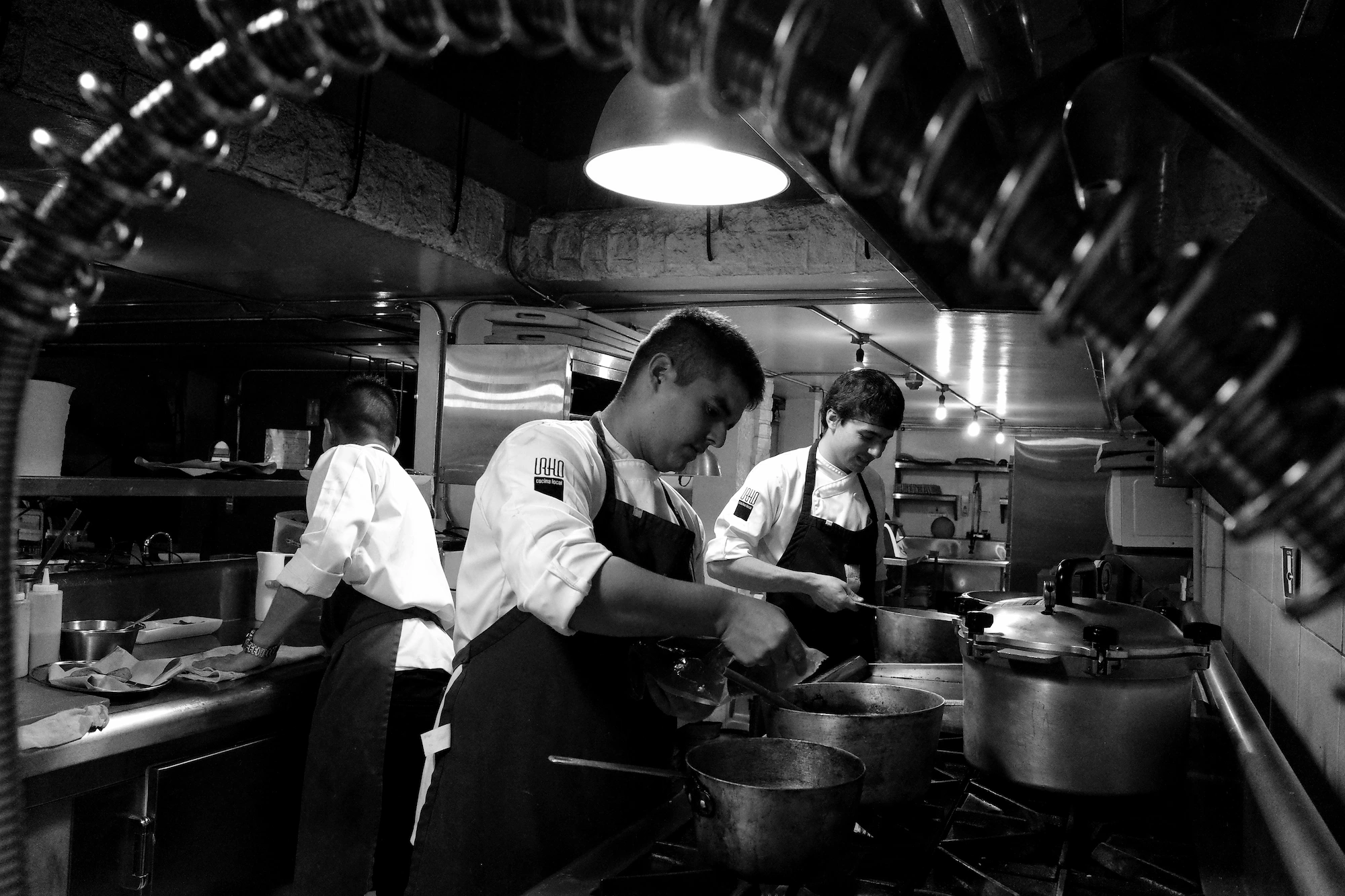
Can you hire a chef from your favourite restaurant or a Michelin-starred kitchen as your private chef? Yes, here is what it really takes to make it work.
After 15 years running the world's largest private chef communities, here is how we reach the best chefs.
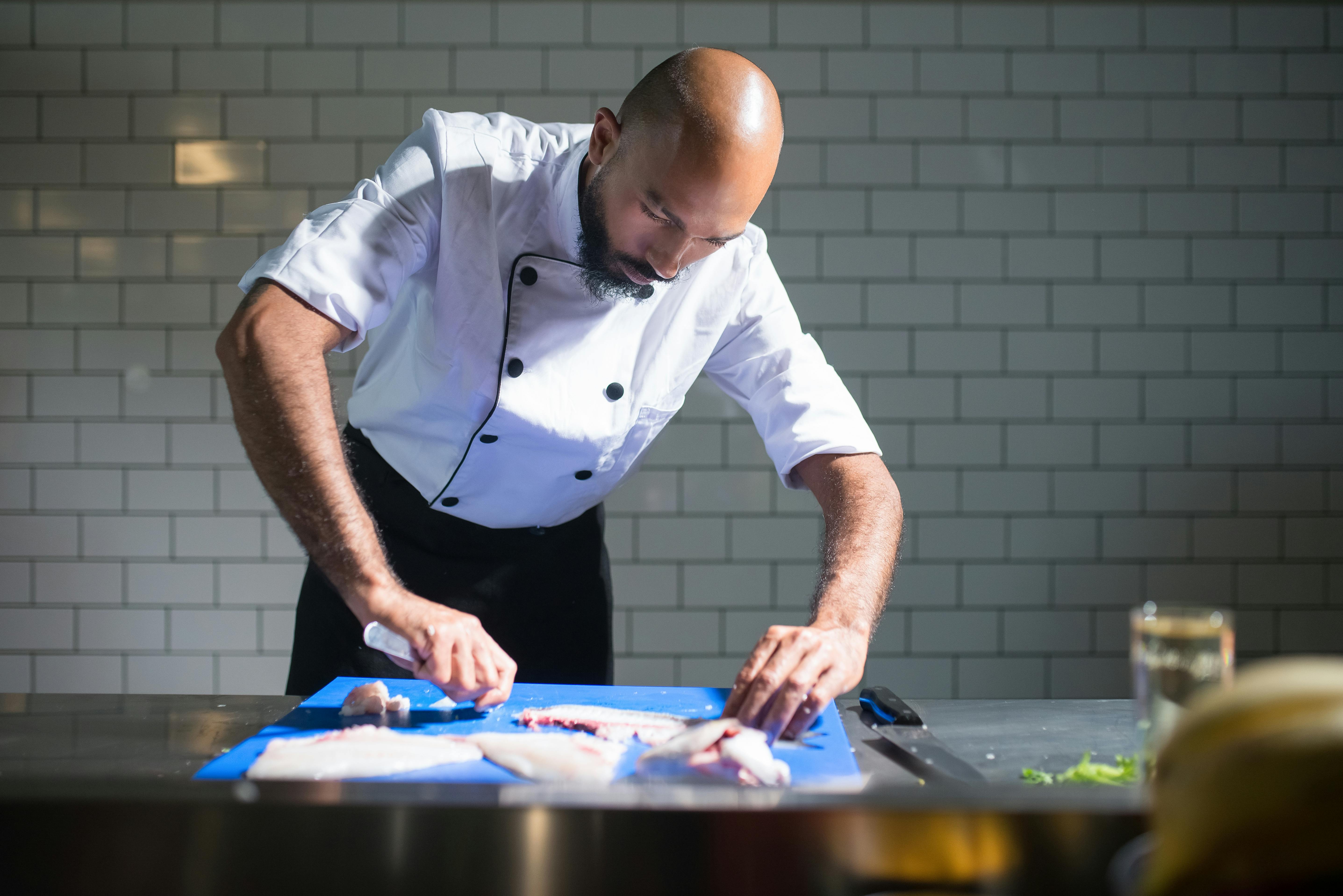
Resume gaps, Michelin claims that don't hold up, three families in two years, social media leaks. Five red flags that disqualify a private chef candidate.
Our expertise lies in understanding the unique needs of UHNW households and lifestyles. If you are ready to explore how a dedicated culinary professional can elevate your experience, we invite you to contact us for a confidential consultation.
Headquartered in Palma de Mallorca. Placing Michelin-trained private chefs in UHNW homes across the United States, United Kingdom and Europe.
US: +1 917 924 4599
© 2026 Montclair Chef