


September 19, 2026
6 min

6 min
Reading
By Chris Demaillet, Michelin-trained at The Waterside Inn under Michel Roux OBE. Former private chef to Amancio Ortega. Founder of Montclair Chef.
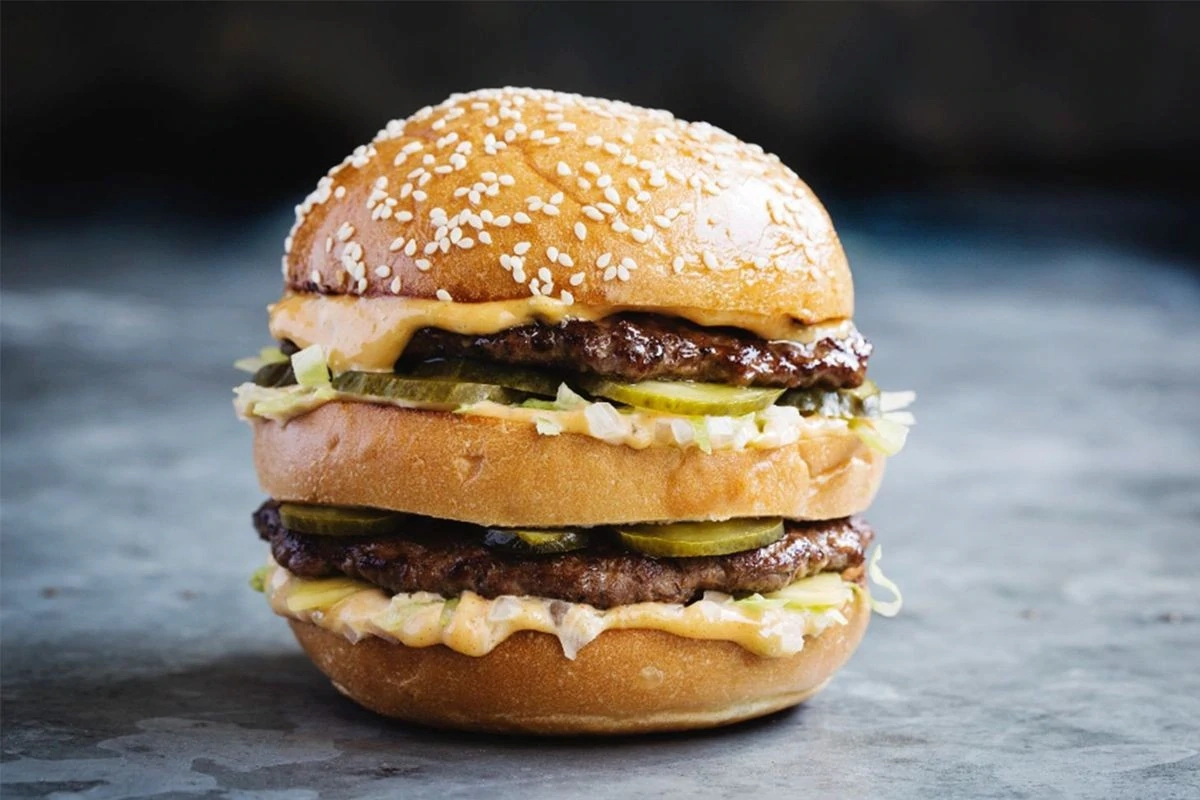
At 6:45 PM in a UHNW kitchen, the chef is flipping wagyu patties on the grill. The brioche buns came out of the oven 20 minutes ago, golden and still warm. The Big Mac sauce sits in a squeeze bottle on the prep station. It is fresh mayonnaise whisked together earlier, with diced gherkins, a teaspoon of white wine vinegar, and a dusting of smoked paprika. The taste is unmistakable. The ingredients are not.
The children sit down with their nanny at 7 PM. Three homemade Big Macs. Cut into halves so smaller hands can hold them. Sweet potato fries on the side, baked, not fried. A glass of cold-pressed juice.
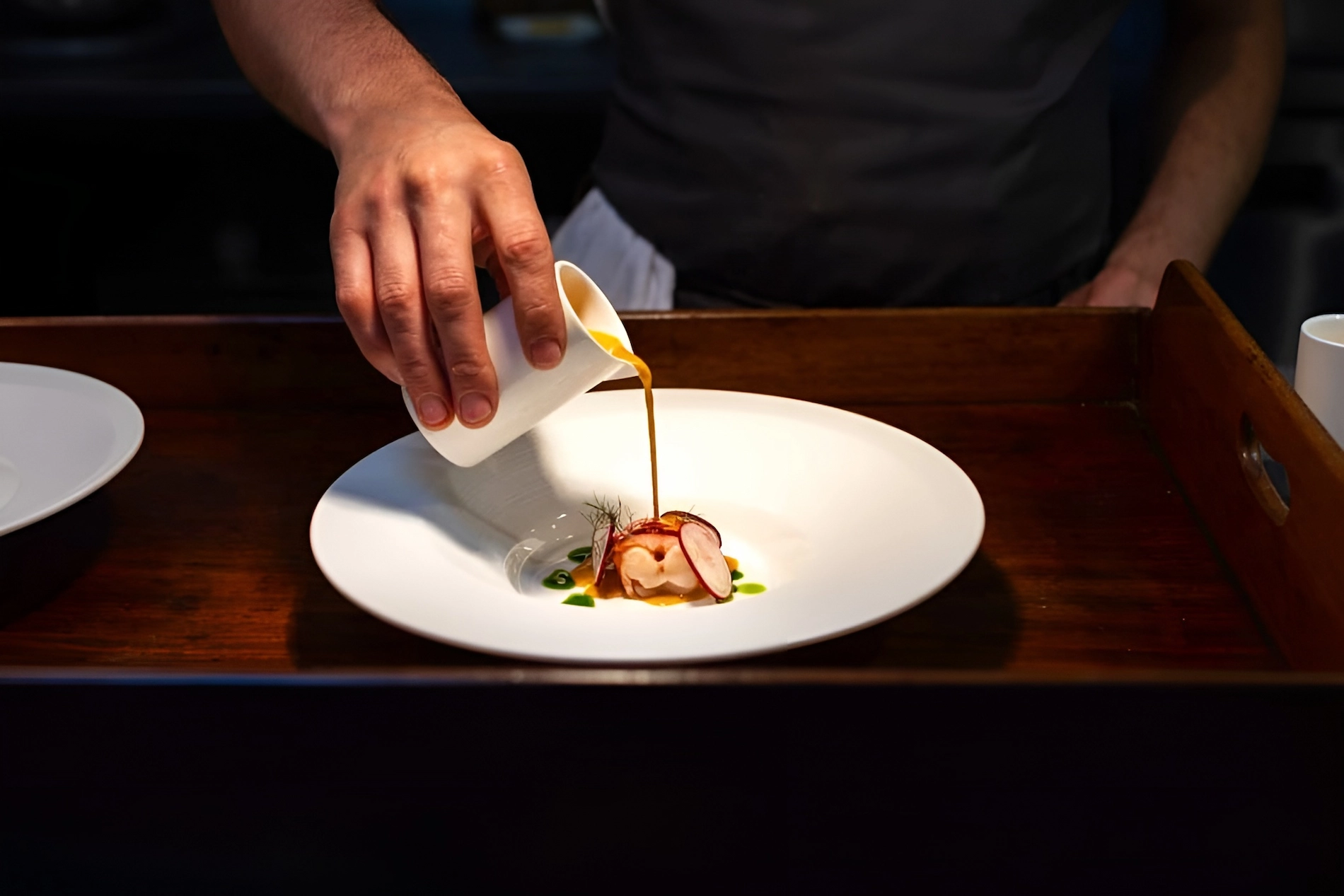
One hour later, the same kitchen produces something completely different. Lobster medallions with citrus beurre blanc, a quenelle of crème fraîche, a teaspoon of Oscietra caviar plated on top. The principal and her husband sit down at 8 PM. The lobster came in that morning from a supplier the chef trusts. The caviar tin has been in the refrigerator since Monday.
Same chef. Same kitchen. Same evening. Two food universes, sixty minutes apart.
This is what a family chef in a UHNW household actually does. And it is one of the most demanding placements we make.
Most Michelin-trained chefs refuse to cook chicken nuggets. They see it as beneath their craft. Some consider it an insult to be asked.
This is the wrong response for a private chef. And it is one of the fastest reasons we let a candidate go from our shortlist.
The chefs who succeed in family roles understand something professional kitchens rarely teach: feeding a six-year-old well is a different skill from feeding a billionaire well, but it is not a lesser skill. It requires patience, creativity, and a willingness to disappear into the food rather than show off through it.
A chef who can make a homemade Big Mac that a child will eat enthusiastically, with ingredients a nutritionist would approve, is doing something most fine-dining chefs cannot do. They are translating childhood comfort food into something the parents trust. That translation is the entire job.
In the kitchens we place chefs into, "homemade" is not a marketing word. It is operational.
The mayonnaise is whisked by hand. The ketchup is made from scratch with San Marzano tomatoes and reduced for hours. The bread is baked daily. The pasta is rolled the morning it is served. The ice cream is churned the day before. The granola the children eat for breakfast was made in the same kitchen on Sunday afternoon, with oats from a specific supplier and honey from a specific producer.
This is not affectation. It is what the parents pay for. They are paying so their children do not eat a single ingredient they have not approved.
A chef applying for these roles needs to be able to taste a McDonald's Big Mac, reverse engineer the flavor profile, and reproduce it from raw ingredients without ever serving the original. That skill comes from years in restaurant kitchens combined with the humility to apply it to children's food. Both halves are rare. The combination is rarer still.
Many UHNW parents are now following longevity protocols, Mediterranean diets, or some version of Bryan Johnson's Blueprint. The children, meanwhile, need normal food with normal carbohydrates.
The chefs we place have to run two parallel nutrition programs in the same kitchen. The parents at 8 PM are eating low-glycemic, polyphenol-rich, omega-3-heavy meals. The children at 7 PM are eating brioche buns. The chef cannot use the parents' dietary framework to dictate the children's, and they cannot let the children's preferences contaminate the parents' protocol.
We have written about this shift in a separate piece on Health & Nutrition Chefs. The short version is that the protocol-aware chef who can also cook for children is becoming the highest-demand placement in our agency.
Every family chef I have ever placed has a personal repertoire of vegetables-disguised-as-treats. Roasted cauliflower florets served as "popcorn." Butternut squash blended invisibly into mac and cheese. Cauliflower rice folded into fried rice. Zucchini muffins that taste like banana bread. Beetroot in chocolate brownies.
This is old technique. Every parent has tried some version of it. The difference in a UHNW household is the consistency. The hidden vegetable game runs every single day, across every single meal, for years. The chef who cannot sustain it gets caught and loses the children's trust. The chef who can builds a quiet bond with the parents that outlasts any single dish.
In every UHNW family kitchen I have ever managed, there was a written allergy file. Not a memory game. A file.
The children's allergies. The cousin who visits in summer and is severely allergic to tree nuts. The babysitter who is gluten-intolerant. The principal's mother who cannot have shellfish. The school friend who has come for three sleepovers and has an egg allergy.
A serious family chef maintains this file with the same rigor a kitchen porter would maintain a HACCP log. Updates after every new guest. Cross-references with every menu. Never improvises with a "probably fine."
This is one of the things we screen for in our cooking trials. A candidate who cannot articulate how they manage allergy information across multiple guests is not ready for a family placement.
Sometimes a parent asks the chef to refuse the children dessert that evening. Sometimes a child asks the chef to sneak them ice cream after the nanny has put away the dishes. Sometimes the principal's friend brings a child for a playdate who has been raised on a completely different food culture.
The chefs who succeed in these roles know how to handle every one of these moments without becoming the villain. They redirect the child. They check with the parents. They feed the friend with quiet generosity. They never make a child feel bad about food.
This is emotional intelligence. Michelin training does not teach it. Years inside private households does.
The rare chef who can do this work, every day, for years, without burnout, without resentment, and without losing either the children's affection or the parents' trust, is the placement we work hardest to find.
Most chefs can cook for adults. Some chefs can cook for children. Very few can do both, at the level a UHNW family expects, sustainably.
If you have children and you are bringing a private chef into your home, the question to ask is not whether the candidate has Michelin training. The question is whether they understand that feeding your six-year-old a homemade Big Mac is just as important as feeding you lobster and caviar an hour later.
Chris Demaillet spent over 20 years in private service before founding Montclair Chef. He trained under Michel Roux OBE at The Waterside Inn in Bray and served as private chef to Amancio Ortega, founder of the Inditex Group, for nearly a decade. Montclair Chef places full-time private chefs with UHNW families, family offices, and estates worldwide. Read Chris's full story or schedule a confidential consultation.
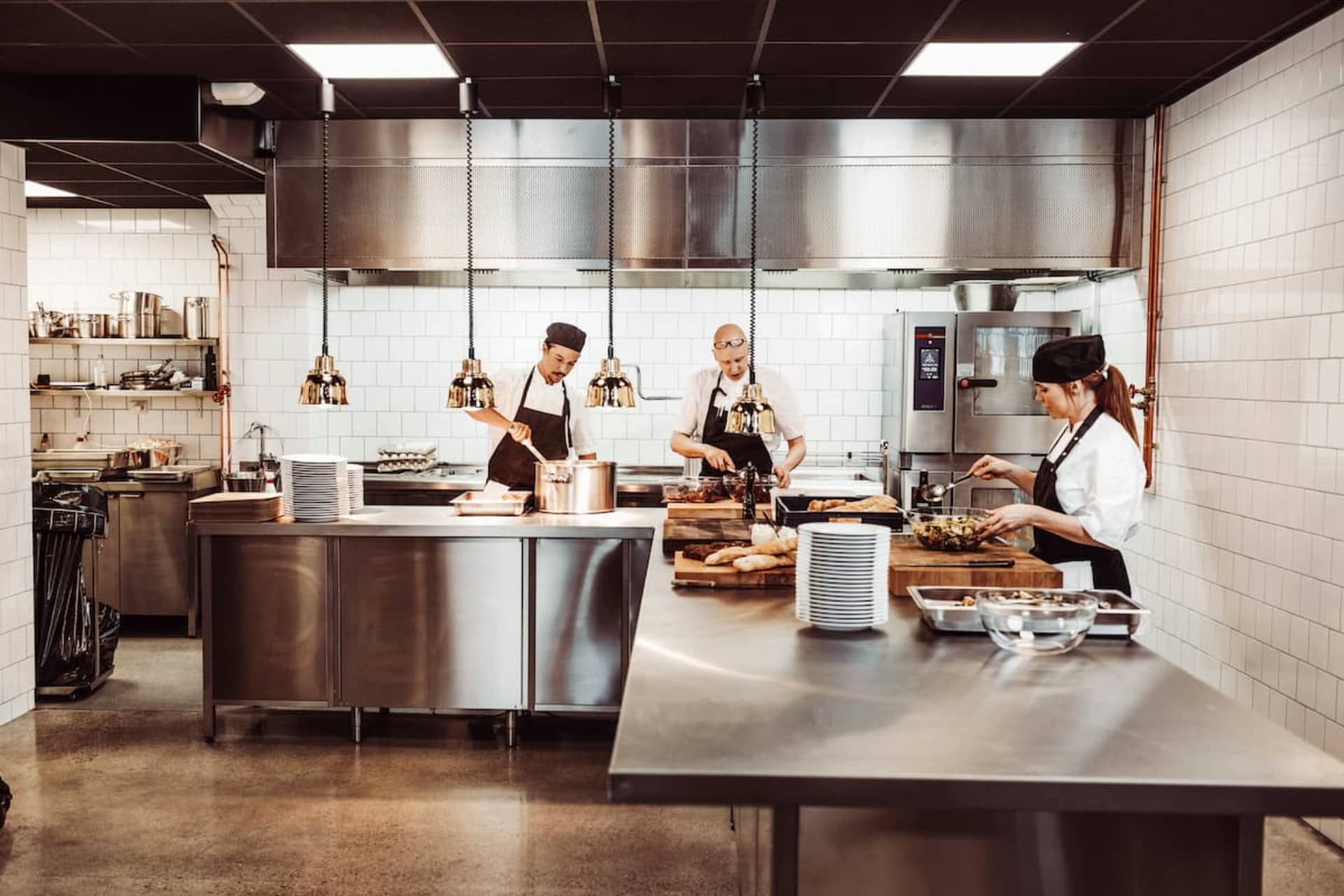
Can you hire a chef from your favourite restaurant or a Michelin-starred kitchen as your private chef? Yes, here is what it really takes to make it work.
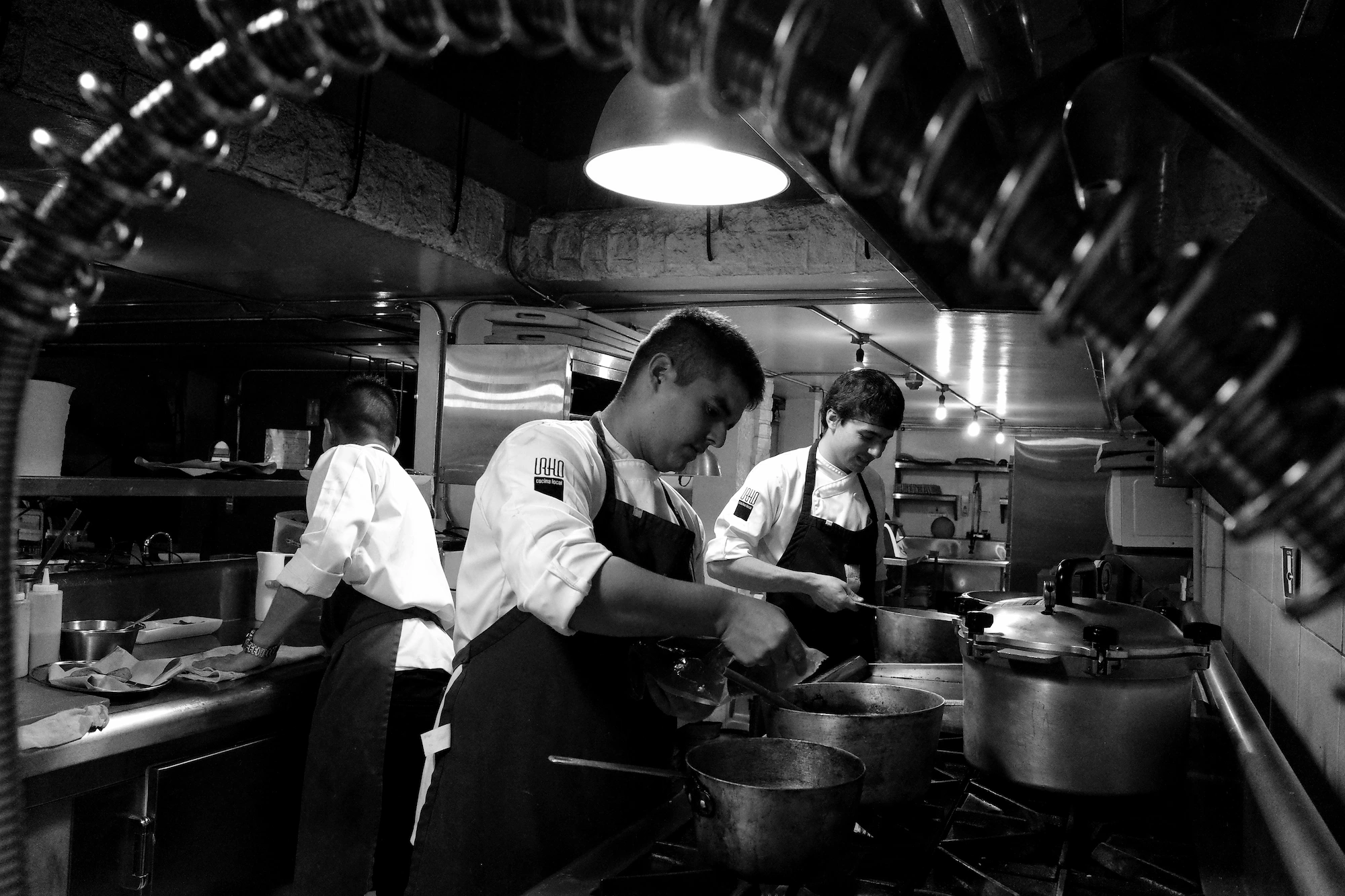
After 15 years running the world's largest private chef communities, here is how we reach the best chefs.
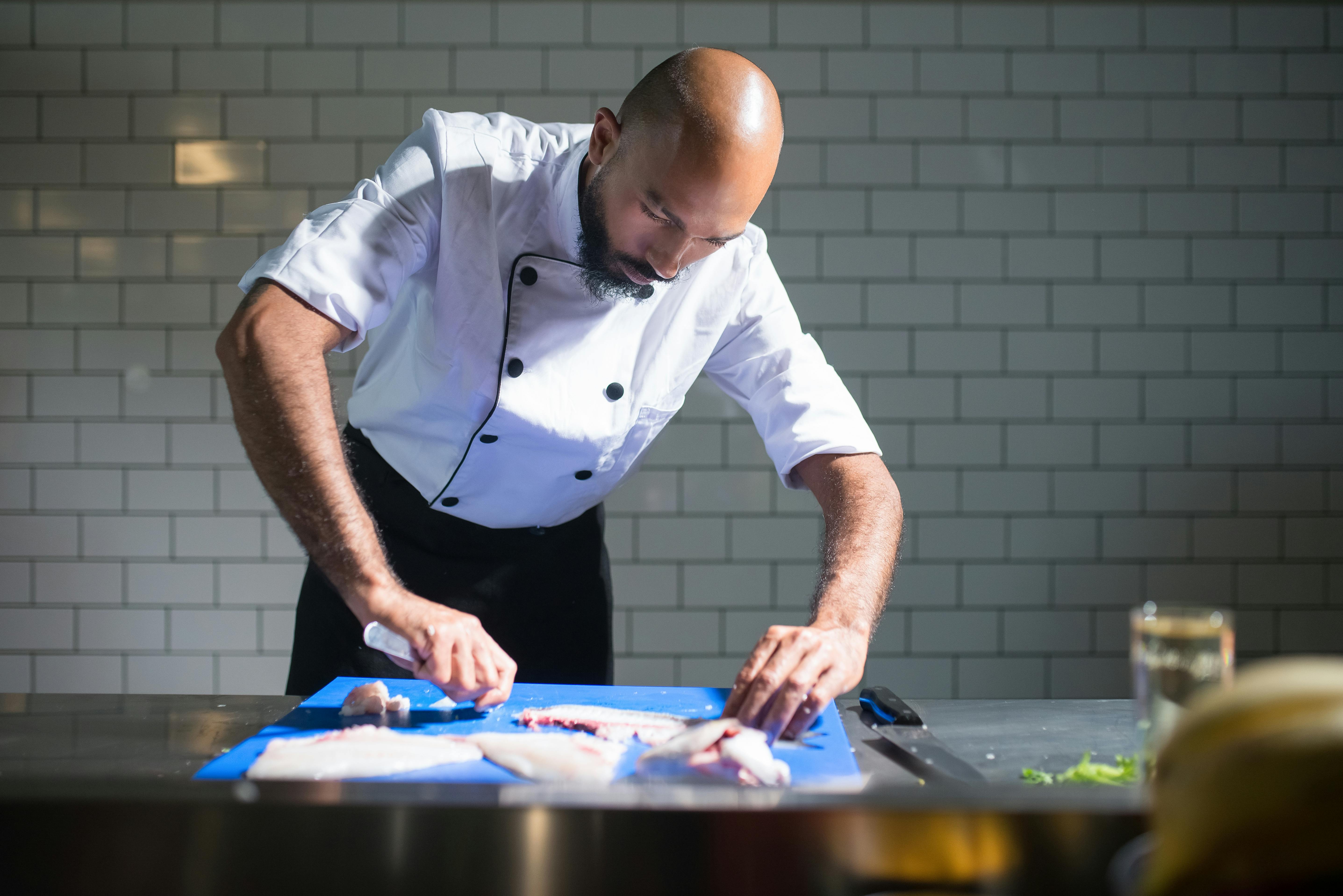
Resume gaps, Michelin claims that don't hold up, three families in two years, social media leaks. Five red flags that disqualify a private chef candidate.
Our expertise lies in understanding the unique needs of UHNW households and lifestyles. If you are ready to explore how a dedicated culinary professional can elevate your experience, we invite you to contact us for a confidential consultation.
Headquartered in Palma de Mallorca. Placing Michelin-trained private chefs in UHNW homes across the United States, United Kingdom and Europe.
US: +1 917 924 4599
© 2026 Montclair Chef